
Essential Tools for Digital Nomad Designers in 2026
April 3, 2026
Remote work isn’t a trend anymore; it’s a lifestyle. In fact, more than 40 million professionals worldwide now identify as digital nomads. Among them, designers lead the charge, building brands from Bali, crafting UI systems from Lisbon, and pitching logo concepts from Mexico City cafés.
But thriving as a nomadic creative in 2026 takes more than a laptop and Wi-Fi. You need the right ecosystem of tools design software, branding resources, productivity systems, and reliable connectivity like international eSIM data plans to stay competitive anywhere in the world.
Here’s your ultimate toolkit.
Why Essential Tools for Digital Nomad Designers in 2026 Matter More Than Ever
The design industry is faster, more collaborative, and more global than ever. Clients expect:
- Real-time collaboration
- Cross-platform brand consistency
- Lightning-fast revisions
- Seamless file sharing
At the same time, designers are working across time zones, cultures, and currencies. The right tools eliminate friction, protect productivity, and support creative flow whether you're redesigning a fintech startup or crafting brand typography for an e-commerce company.
Without optimized tools, nomadic design life becomes chaotic. With them, it becomes scalable.
Core Creative Software Every Nomad Designer Needs
1. Adobe Creative Cloud
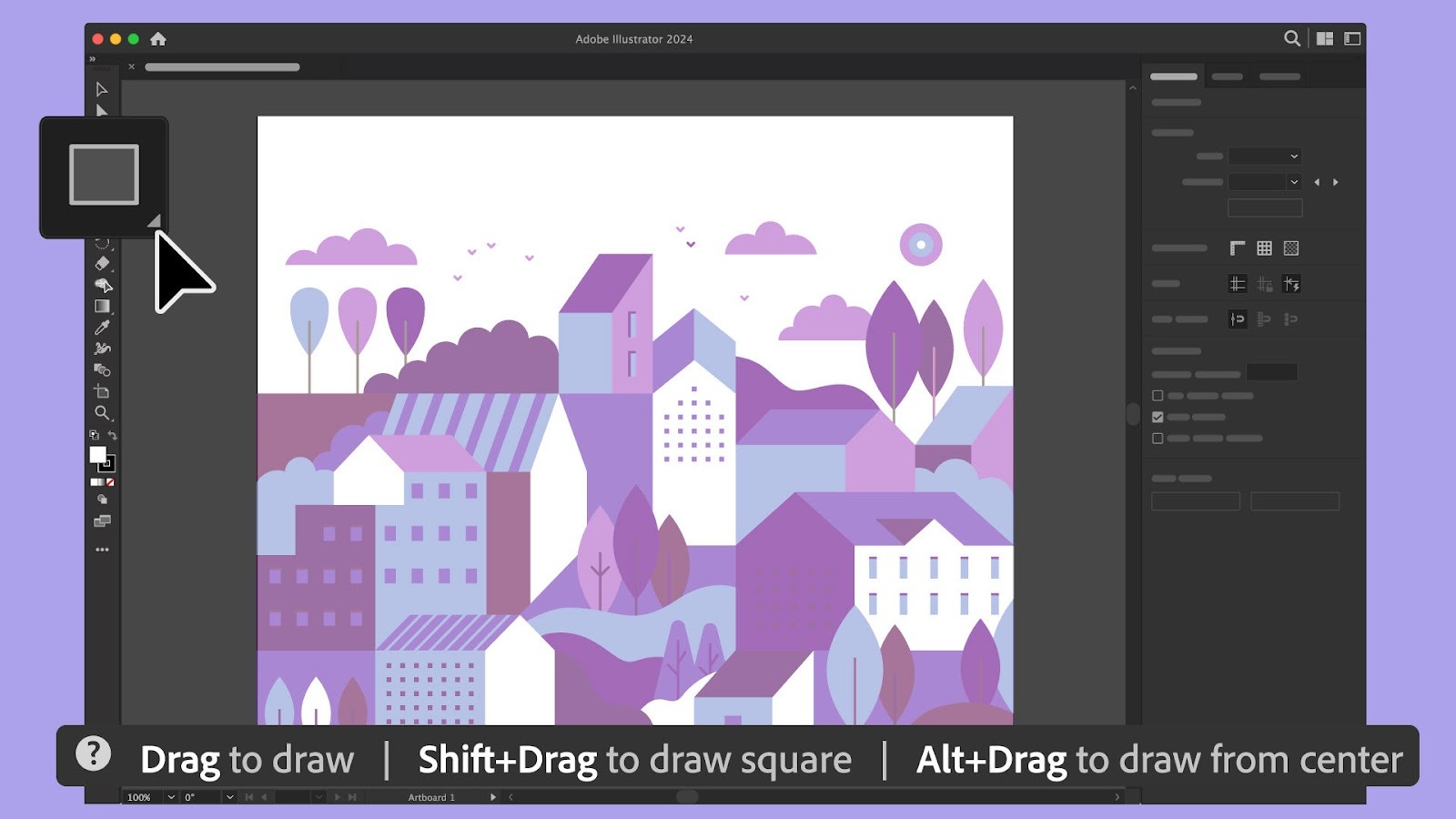
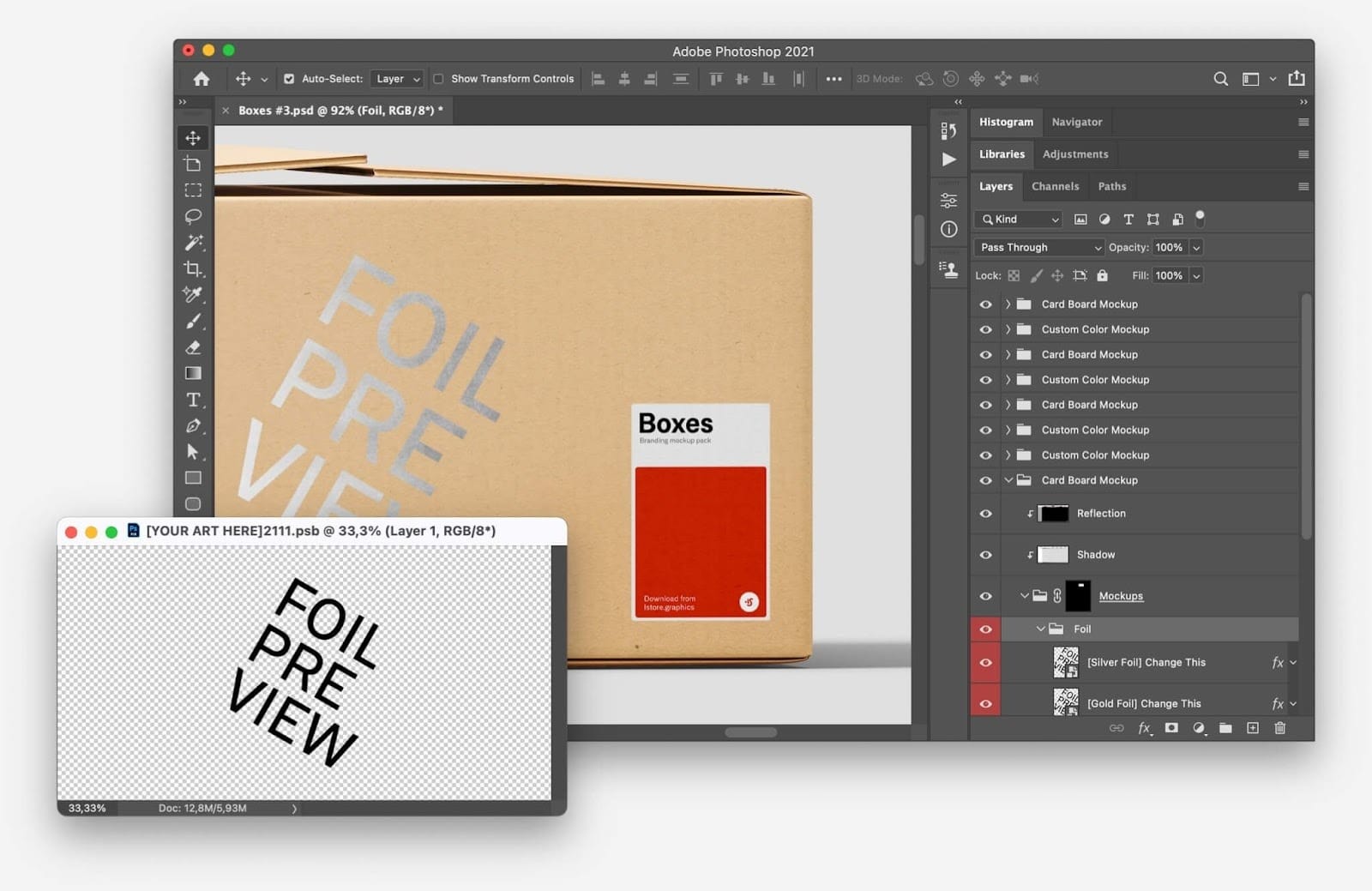
No surprise here. Illustrator, Photoshop, and InDesign remain industry standards for logo design, brand identity systems, and print layouts.
Why it’s essential in 2026:
- Cloud libraries sync across devices
- AI-powered generative tools speed up workflows
- Seamless export for web, mobile, and print
SEO angle: Designers still search for “best professional logo design software 2026” and Adobe dominates that query.
2. Figma
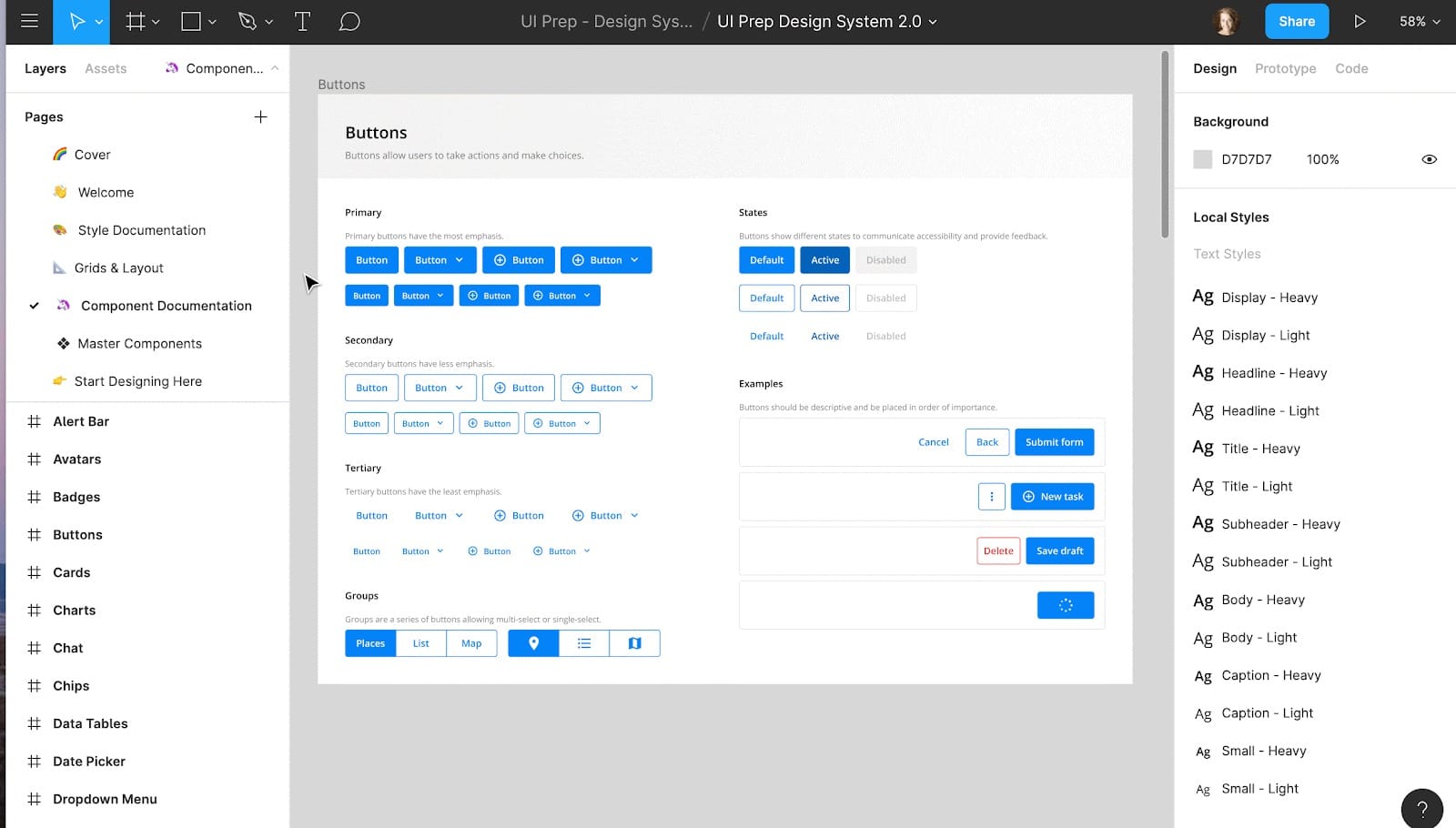
If your clients build apps, you’re probably using Figma. Its real-time collaboration and browser-based access make it perfect for location-independent designers.
Key benefits for nomads:
- No heavy installs
- Works on lower-spec laptops
- Instant client feedback
It’s also ideal for managing brand typography systems, responsive layouts, and digital prototypes.
3. Notion
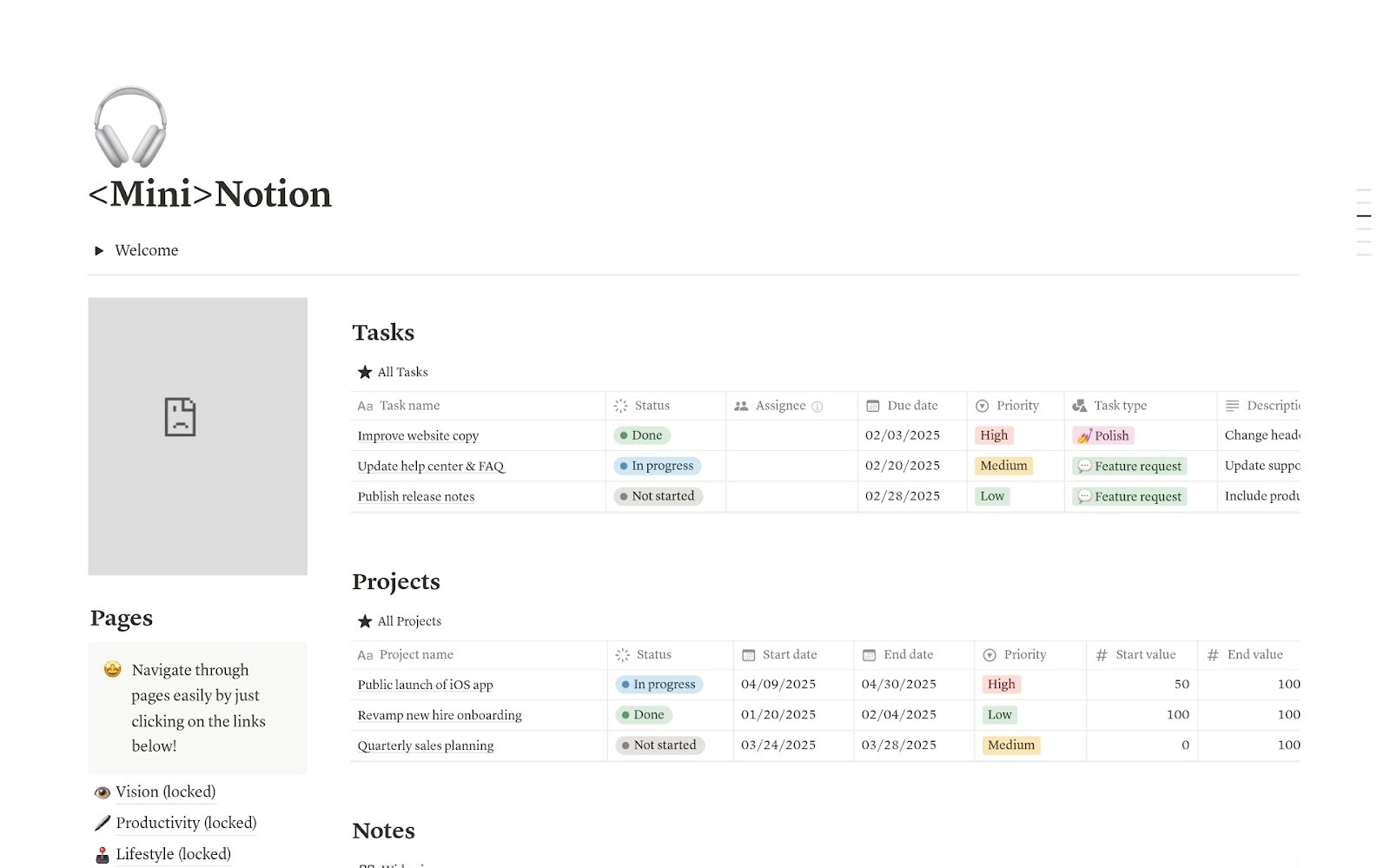
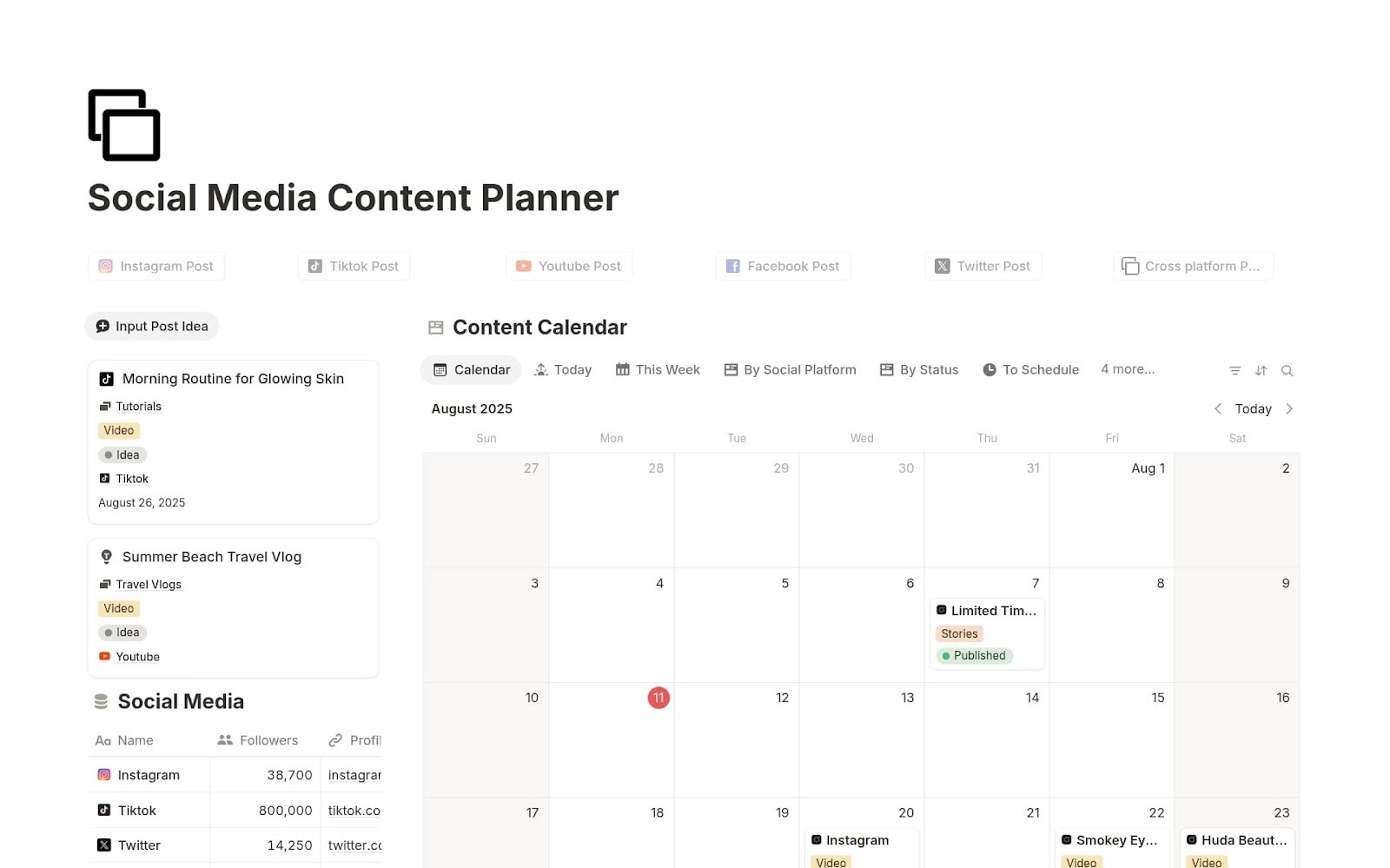
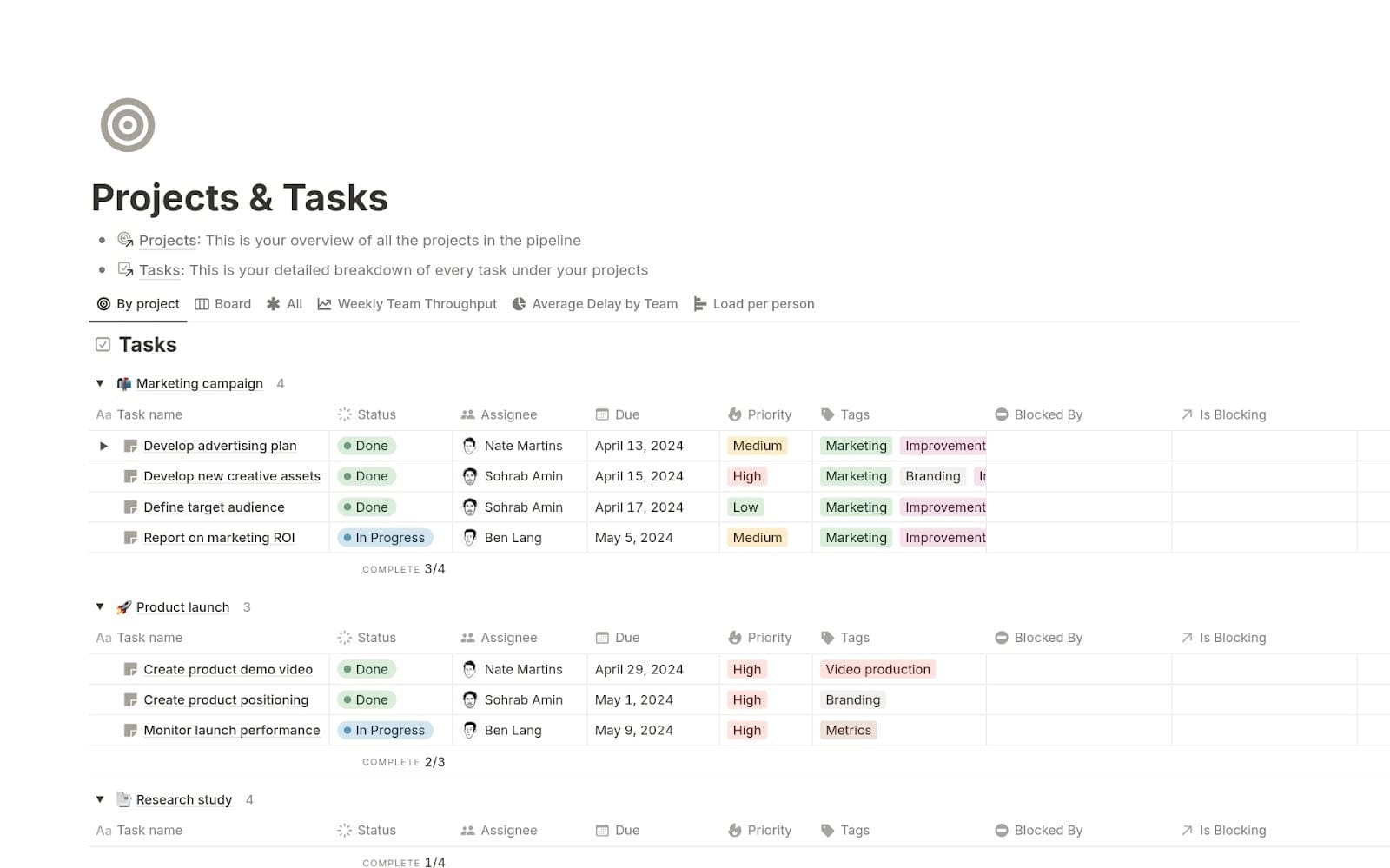
Design isn’t just creativity it’s project management. Notion keeps brand guidelines, client briefs, font licenses, and invoices organized in one workspace.
Use it to:
- Store typography systems
- Document logo variations
- Manage client timelines
Search intent, such as “best productivity tools for freelance designers,” consistently includes Notion.
Connectivity: The Non-Negotiable Tool
4. VIA eSIM
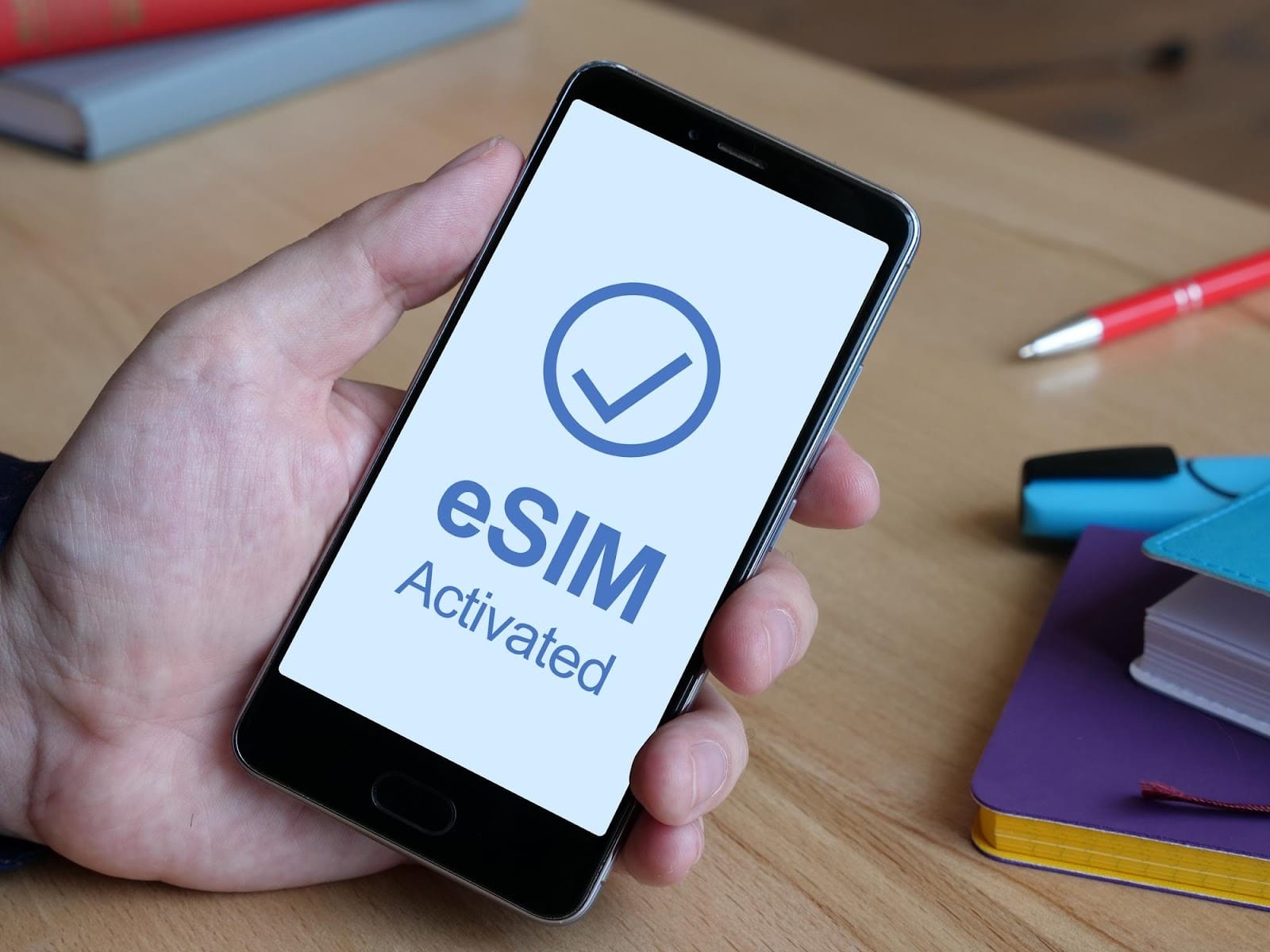

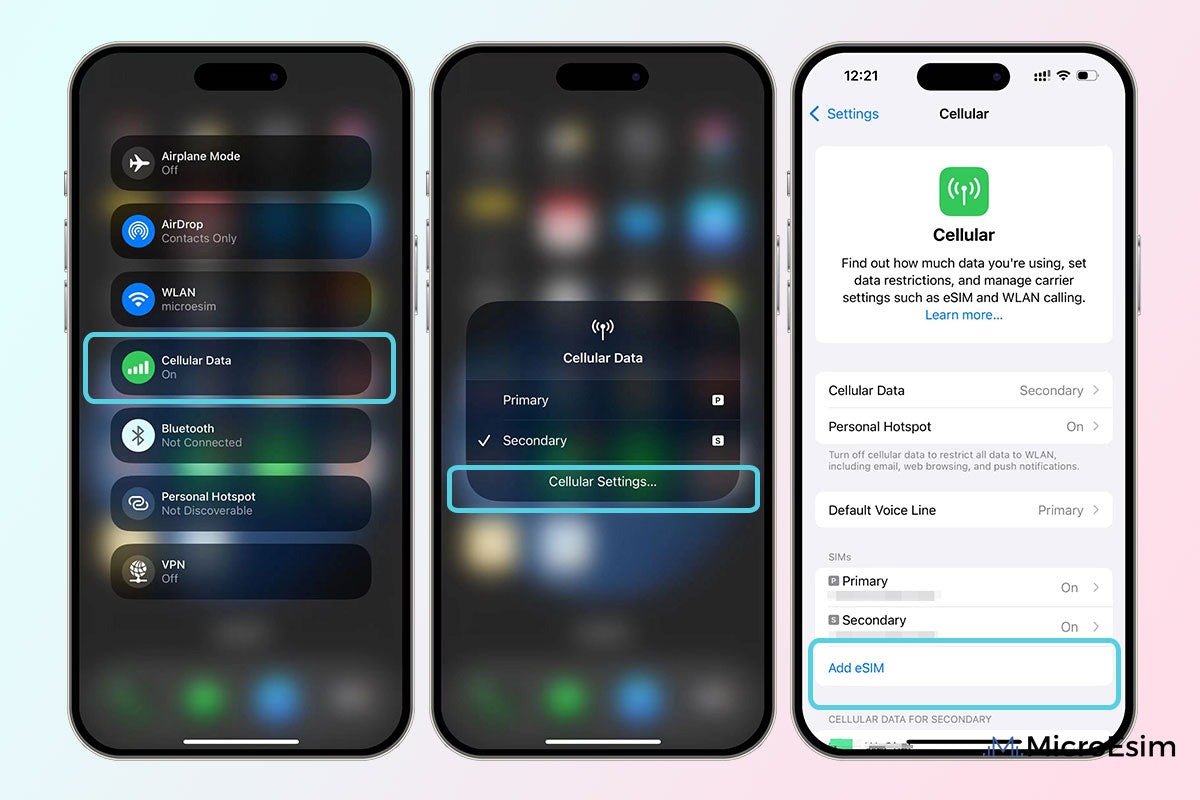
Let’s be honest: café Wi-Fi is unreliable. Hunting for local SIM cards in every country is a waste of time.
That’s why global eSIM data plans are one of the most essential tools for digital nomad designers in 2026.
With VIA eSIM, you can:
- Activate data instantly
- Avoid roaming fees
- Stay connected across borders
- Use hotspot for laptop design work
Reliable internet ensures:
- Smooth Figma collaboration
- Fast Adobe cloud syncing
- Seamless client Zoom calls
Without stable data, even the best design tools become useless.
Hardware That Supports Creative Mobility
5. Lightweight Performance Laptops
Top choices in 2026 include:
- MacBook Pro
- Dell XPS 15
Designers prioritize:
- High-resolution displays
- Strong GPU performance
- Long battery life
- Lightweight build
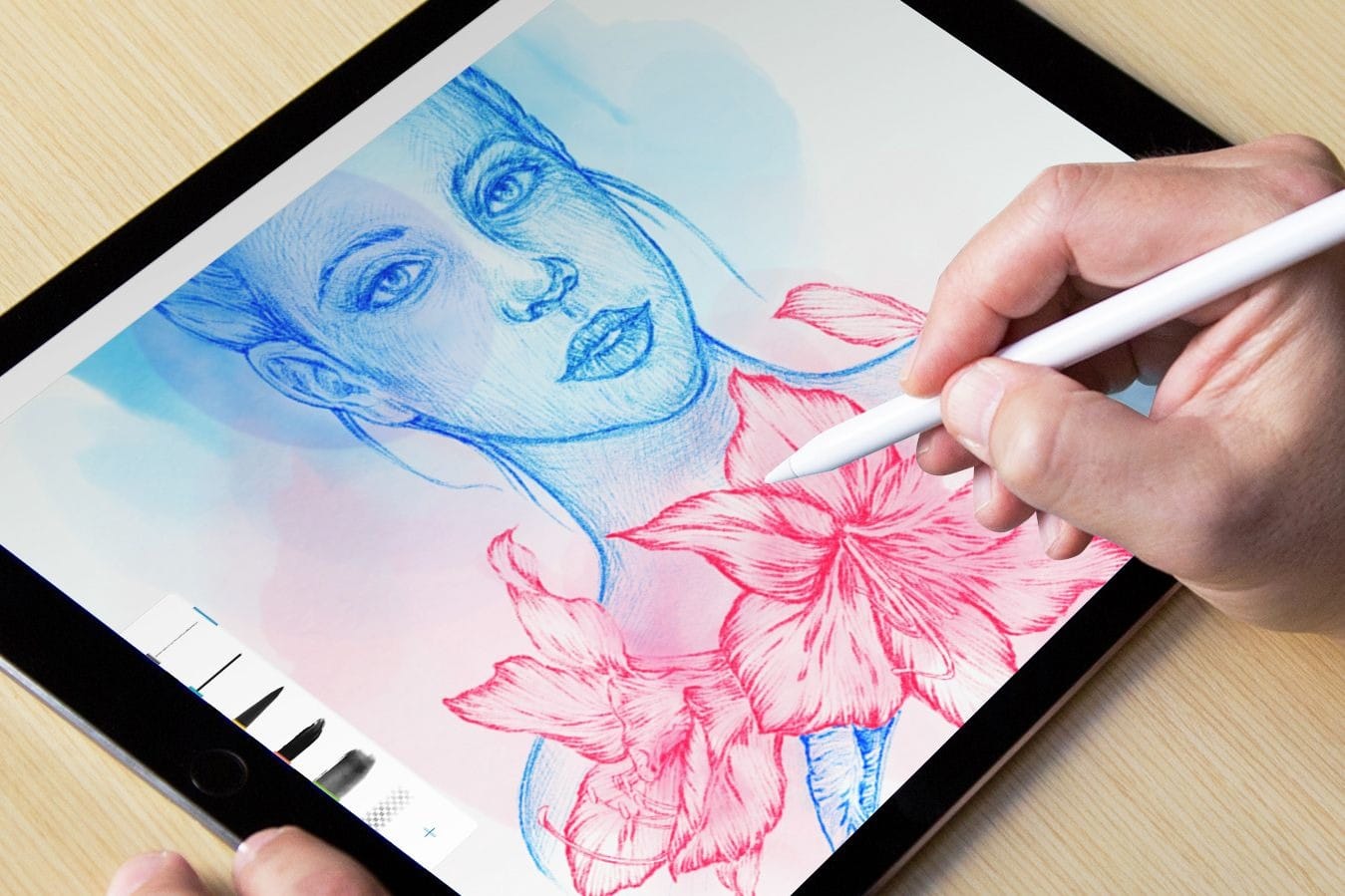
6. iPad Pro + Apple Pencil
Perfect for:
- Logo sketching
- Typography exploration
- Client presentation mockups
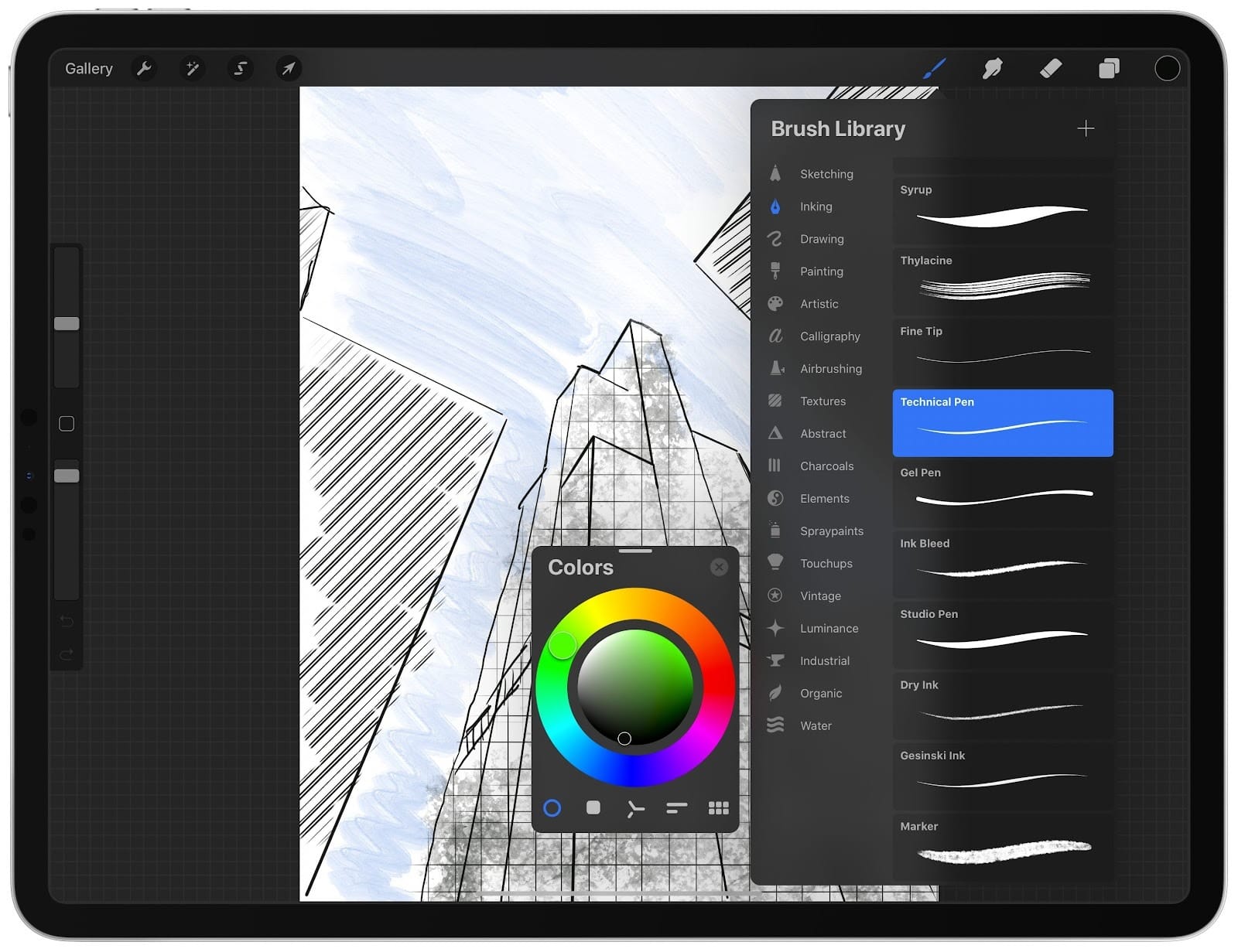
Apps like Procreate and Adobe Fresco integrate smoothly into professional workflows.
Practical Tips for Designers & Marketers
1. Build a Portable Brand Toolkit
Keep:
- Logo source files
- Font licenses
- Brand guidelines
- Mockup templates
Stored in encrypted cloud storage.
2. Optimize for Low-Bandwidth Environments
Even with global eSIM data plans, you’ll encounter slow networks.
Best practices:
- Compress files before sharing
- Use web-optimized PDFs
- Create lighter Figma components
- Sync heavy files overnight
3. Master Font Licensing for Global Clients
Digital nomads work with international brands. Always:
- Verify commercial licensing
- Check webfont permissions
- Confirm multilingual character support
Search trend insight: “font licensing for client work” has grown significantly in recent years.
Real-World Brand Examples & Case Studies
Many modern brands are built by remote teams.
Airbnb
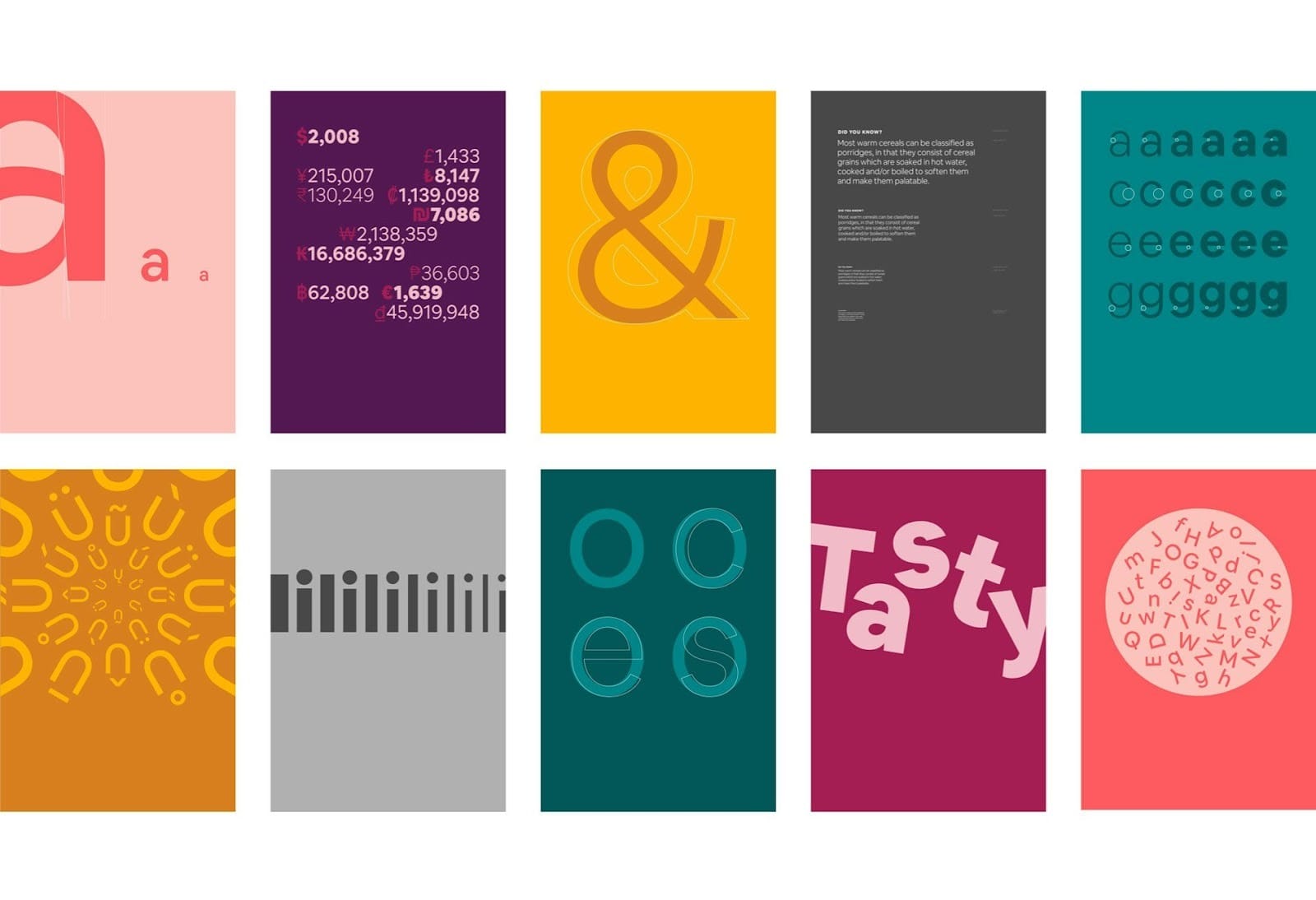
Airbnb’s clean sans-serif wordmark and consistent typography system show how remote-first companies build scalable brand identities.
Spotify

Spotify’s bold color system and custom typeface demonstrate the power of cohesive brand typography across global markets.
These brands prove that strong visual identity doesn’t depend on location, it depends on systems.
Tools, Resources & Workflow Hacks
- Cloud-based file backup (Google Drive, Dropbox)
- Password managers (1Password)
- VPN services for secure connections
- Noise-canceling headphones for focus
Font pairing hack:
Use a geometric sans serif for UI and pair it with a humanist serif for editorial balance. This creates modern, flexible brand systems ideal for startups.
Internal link suggestion:
→ See our guide to Coca-Cola’s logo history
→ Explore our breakdown of modern sans serif logos
External resource suggestion:
→ Adobe’s official font licensing documentation
→ AIGA branding standards resources
Final Thoughts & Call to Action
The difference between surviving and thriving as a remote creative comes down to preparation. The essential tools for digital nomad designers in 2026 combine creative power, project management, hardware mobility, and seamless connectivity.
From Adobe Creative Cloud to Figma collaboration and especially reliable global eSIM data plans your toolkit determines your freedom.
Ready to level up your design workflow?
Explore more expert branding insights here on FontInLogo and build a creative system that travels as well as you do.
