
UX Design Process: A Complete Workflow Guide
June 15, 2026
UX Design Process: A Complete Workflow Guide
The UX design process turns ideas into products people actually want to use. If you want to know what is UX design process, think of it as a step-by-step plan for making apps and websites that work well. This guide shows you the UX design workflow that top teams use to build great digital products.
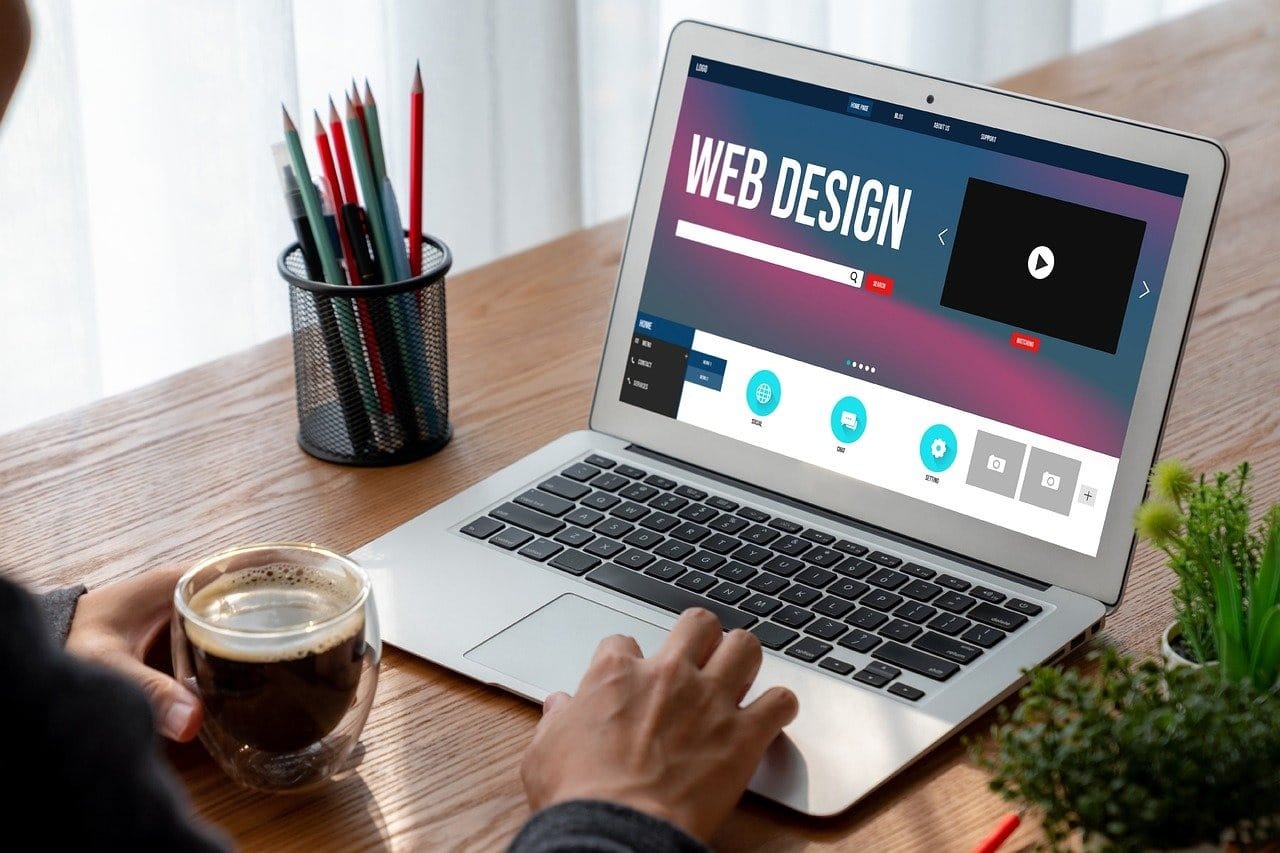
UX Design Workflow: How It Works
The UX workflow includes research, planning, coming up with ideas, making prototypes, and testing. Each step builds on the last one. This clear path helps teams avoid expensive mistakes and make users happy with the final product.
UI UX Design Process: Five Main Steps
A good workflow UX design team uses has five main steps.
Step 1: Research Your Users
The UI/UX design begins with understanding your users. Talk to them, observe how they use competing products, and ask what challenges they’re trying to solve. This research is letting you know what people need, as well as what they want. Otherwise, you could build something pretty but not a real solution.
Step 2: Plan Your Approach
Then, turn your research into a plan. Create user profiles, map out their journey, and write down the key problems to solve. At this point, the UX process requires clear goals. Great planning makes sure that everyone on the team knows what to build and why they’re building it. It helps people in design, development, and business stay on the same page. At this stage, teams may also consider integrating advanced technologies to enhance their planning and decision-making process.
Leveraging AI development service can help analyze user data more effectively, uncover patterns, and generate insights that inform smarter design choices. By incorporating AI-driven tools early on, businesses can create more personalized and efficient user experiences while ensuring their strategy is both innovative and data-driven.
Step 3: Come Up With Ideas
Now, come up with some different solutions for the problems you identified. Sketch, discuss amongst your team and try out many other options. The best ideas come when folks are encouraged to float ideas around. This innovative stage allows you free rein to test out unconventional methods before making a final decision on the most effective technique to construct.
Some industries need special care in their UX design workflow. For example, healthcare apps must follow strict rules. Jelvix - healthcare software development services are focused on building sophisticated, secure, and scalable digital solutions tailored to the complex needs of the healthcare industry. Applying deep domain expertise and modern technologies, Jelvix supports healthcare providers, life sciences enterprises, and healthtech startups in accelerating clinical workflows improvement, patient engagement enhancement, and care delivery optimization.
By utilizing advanced trends such as AI-driven diagnostics, predictive analytics, mobile health (mHealth) applications, and seamless system interoperability, Jelvix enables data-driven decision-making and more personalized patient experiences. The company develops solutions that integrate smoothly with existing healthcare ecosystems, ensuring compliance with industry regulations while maintaining high standards of data security and performance helping brands deliver more relevant, personalized lifecycle marketing across every stage of the user journey.
Step 4: Make Prototypes
Create low-fidelity versions of your ideas that people can click through and test. Make a wireframe first and then more detailed versions. By testing these prototypes early, you can address problems without wasting time building things out in full. Solid prototypes demonstrate how a product will work without creating all the code that makes it function.
Step 5: Test With Real Users
Observe actual users encounter your prototype and track their confusion points. Run various tests to compare options and monitor what seems to perform best. Testing is about finding out where you went wrong and what must be different next time. This step ensures that you are creating something users really need, not what you think they want.
Value of UX Design: Why It Pays Off
The value of UX design goes way beyond making things look pretty. Good design, it turns out, goes right to your bottom line. According to data cited by Adobe, companies that invest in UX report seeing higher conversion rates, happier customers, and lower support costs. The value of good UI/UX design gives you an edge over competitors. Here is what you get:
Benefit. Impact
Higher Conversion More visitors become customers
Lower Support Costs Fewer confused users need help
Better Retention Users stick around longer
Stronger Brand People remember good experiences
Studies show that every dollar spent on UX can return $2 to $100 in value. That makes it one of the smartest investments you can make.
Implementing an Effective UX Workflow
Starting a strong UX practice takes more than good intentions. You need the right people, tools, and processes working together. Here are the key things you need:
- Get your whole team involved, not just designers
- Pick tools that let you work fast and share easily
- Write down your design decisions so others can learn
- Build a design system to keep everything consistent
- Meet regularly to review work and share feedback
The best workflows are flexible. They give you structure but let you adapt when projects need something different.
Common Challenges and Solutions
Teams often face tight deadlines, small budgets, and bosses who do not see the value of research. You can handle these problems with smart shortcuts. Use quick research methods that take less time. Make small improvements instead of big redesigns. Show results with numbers to prove UX works. Good teams plan ahead for these roadblocks.
Future Trends in UX Design Process
New tech like AI, voice controls, and AR are changing how we design. AI tools can now help analyze research, generate designs, and test accessibility faster than before. Teams need to learn these new tools while keeping users at the center. The future combines smart technology with human understanding to make better experiences for everyone.
Getting good at the ux design process takes practice and patience. When you follow a clear workflow and listen to users, you make products people love to use. The methods in this guide work across all types of projects. Start using them today and watch your design results improve.
